Discover 7-Day Tanzania Safari Itinerary: Northern Circuit Guide
Overview
7. 7-Day Tanzania Safari Itinerary: The Perfect Northern Circuit Route
7-Day Tanzania Safari Itinerary at a Glance
- Start and finish: Arusha, about one hour from Kilimanjaro International Airport (JRO)
- Parks: Tarangire National Park, Lake Manyara National Park, Serengeti National Park, Ngorongoro Crater
- Nights: 1 Tarangire, 1 Karatu, 3 Serengeti, 1 Ngorongoro
- Style: private 4x4 with a pop-up roof and your own driver-guide
- Best months: June to October for dry-season game viewing, January and February for the calving season
- Good for: first-time visitors, couples, families and photographers
Why the Northern Circuit Is the Classic Tanzania Safari Route
Tanzania's northern circuit packs an unusual amount of variety into a small corner of the country. Within a day's drive of Arusha you have elephant herds under baobab trees, a soda lake edged with flamingos, the open plains of the Serengeti and a collapsed volcano that holds one of the densest wildlife populations in Africa. The parks are close enough to link by road, so you spend your time on game drives rather than in airports, and the same guide stays with you from the first morning to the last.
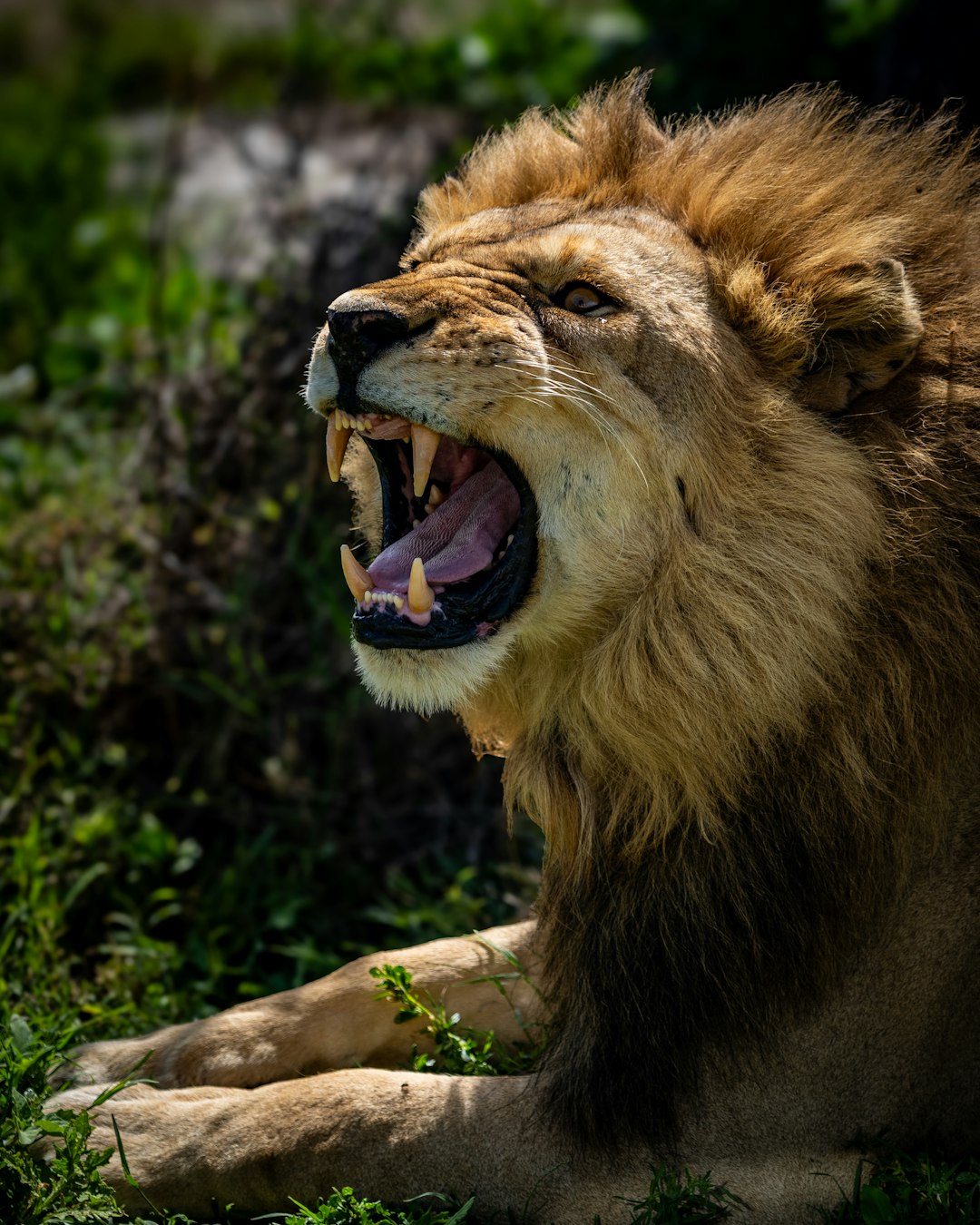
It is also the best route for seeing the Big Five in Tanzania. Lion, leopard, elephant and buffalo are all realistic in the Serengeti, and Ngorongoro Crater is the most reliable place in the country to find black rhino.
Day 1: Arusha to Tarangire National Park
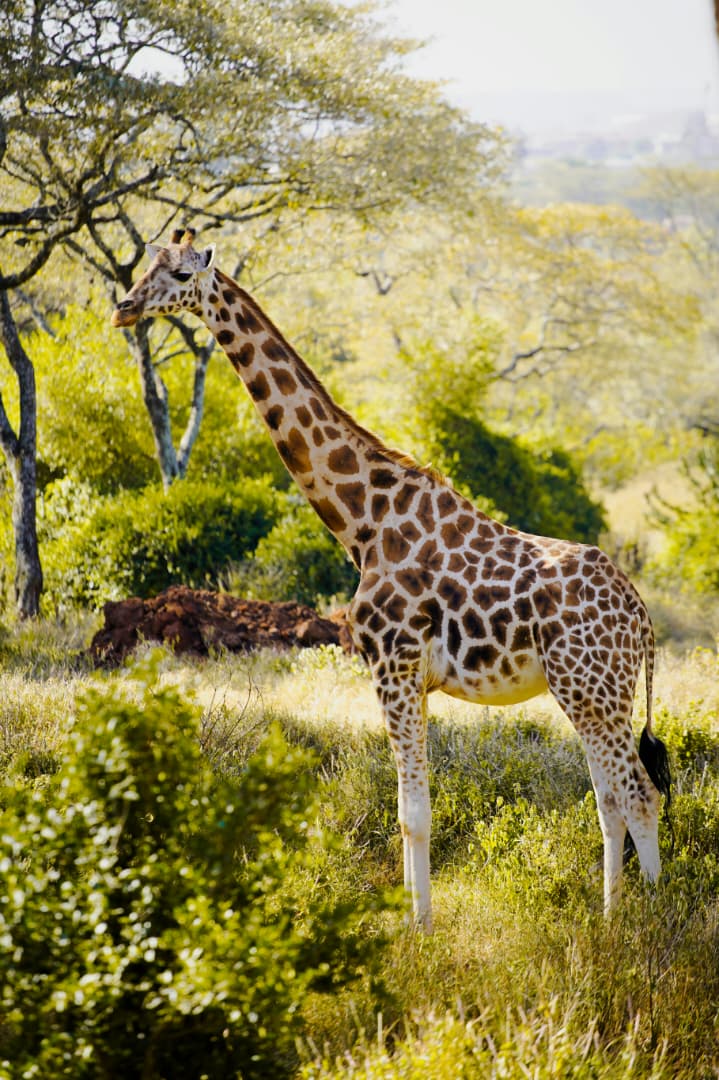
Your guide collects you from your hotel after breakfast for the drive to Tarangire National Park, around two to two and a half hours on a good tarmac road. Tarangire is the quiet achiever of the north. In the dry season the Tarangire River is the only permanent water for miles, and it draws some of the largest elephant herds in East Africa, along with zebra, wildebeest, giraffe and the lions that follow them. The landscape is different from anywhere else on the route: rolling hills dotted with ancient baobabs. You have a full afternoon game drive and stay inside or just outside the park.
Day 2: Tarangire to Lake Manyara and Karatu
After an early game drive, when the cats are still active, you continue to Lake Manyara National Park, about an hour and a half away at the foot of the Rift Valley escarpment. Manyara is small, but it changes quickly from groundwater forest full of baboons and blue monkeys to open floodplain and the lake shore, where flamingos and pelicans gather when water levels are right. It is also known for lions that climb trees, although you need some luck to see them. In the afternoon you climb the escarpment to Karatu, a farming town in the cool highlands near the Ngorongoro gate.
Day 3: Karatu to the Serengeti
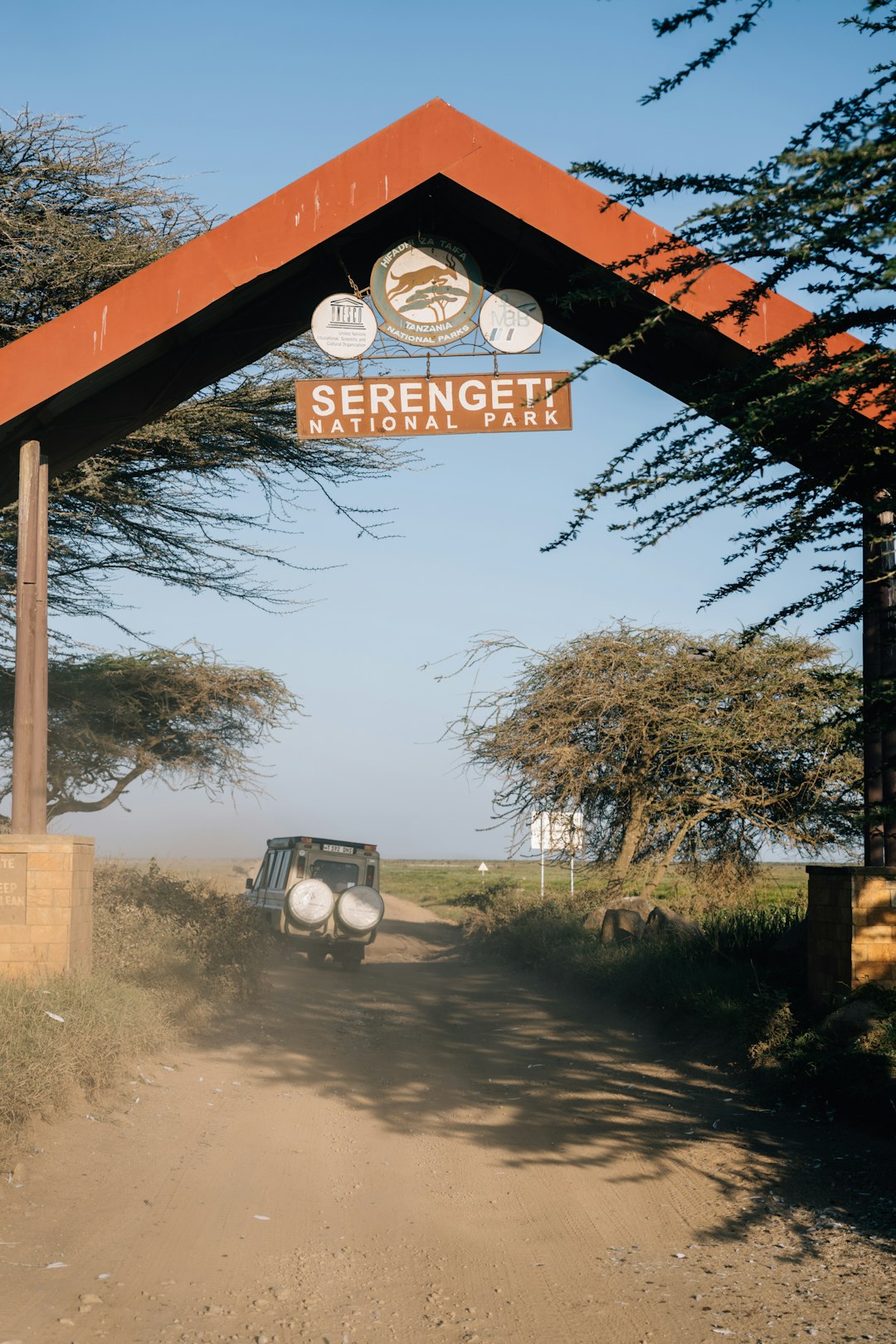
This is the longest day on the road and one of the most memorable. You cross the Ngorongoro Conservation Area, with a first look into the crater from the rim, then drop on to the short-grass plains and enter Serengeti National Park at Naabi Hill. Allow four to five hours to reach the Seronera valley in the central Serengeti, but it never feels like a transfer: from the park gate onwards you are on a game drive. Olduvai Gorge, one of the most important fossil sites in the world, is an easy stop on the way.
Days 4 and 5: Two Full Days on a Serengeti Safari
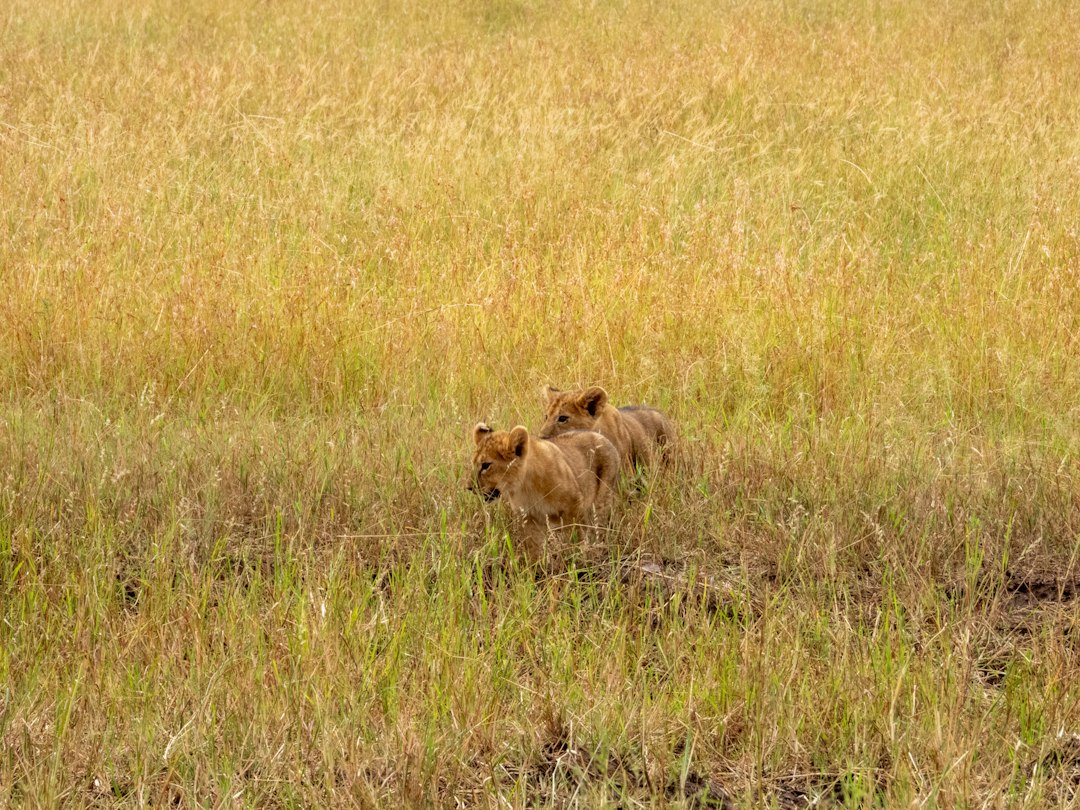
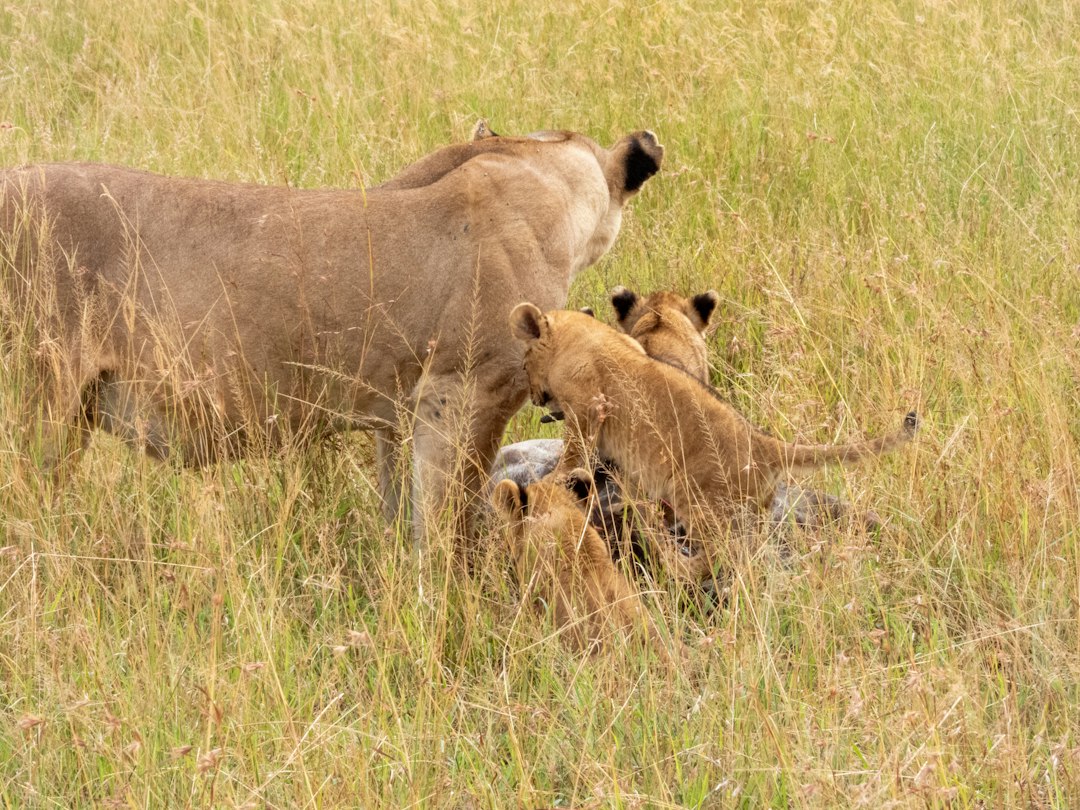
Two full days is what turns a visit into a proper Serengeti safari. The park covers nearly 15,000 square kilometres, and having time means your guide can follow the wildlife instead of the clock. The Seronera valley holds resident lion, leopard and cheetah all year. Where you go beyond that depends on the season and on the Great Migration: the southern plains around Ndutu from December to March, the central and western Serengeti from April to June, and the north and the Mara River from July to October.
Game drives run from sunrise, and most days you take a picnic lunch so you can stay out while the plains are quiet. A hot air balloon flight at dawn is the one extra worth considering here.
Day 6: Serengeti to the Ngorongoro Crater Rim
A last morning drive in the Serengeti, then you head back south-east across the plains to the Ngorongoro highlands. You spend the night on or near the crater rim at about 2,300 metres. Evenings are cold up here, so this is where the fleece you packed finally earns its place.
Day 7: Ngorongoro Crater and Back to Arusha
You are at the gate early for the descent into Ngorongoro Crater, 600 metres down to a floor of about 260 square kilometres. Because the animals rarely leave, the crater delivers more wildlife per hour than anywhere else on the trip: lion, hyena, buffalo, hippo, elephant bulls with heavy tusks and, with patience, black rhino. Time on the crater floor is limited to around six hours per vehicle, which is plenty. After a picnic lunch you climb out and drive three to three and a half hours back to Arusha, in time for an evening flight or a night in town.
The Best Time for a Tanzania Safari on This Route
The northern circuit works in every month, but the experience changes with the season.
- June to October (dry season): the easiest game viewing, with thin vegetation and animals concentrated near water. Tarangire is at its best and the migration is in the northern Serengeti. This is also the busiest and most expensive time, so book early.
- January and February (calving season): the herds are on the southern plains, thousands of calves are born each day and predators are everywhere. The landscape is green and the light is superb.
- November and December (short rains): brief showers, fewer vehicles and lower prices, with the herds moving south.
- March to May (long rains): the quietest and cheapest months. Some roads are muddy, but the parks are empty and birdlife is outstanding.
For a month-by-month breakdown, read our guide to the best time to visit Tanzania.
How to Adapt This Itinerary
A good Tanzania safari itinerary is a starting point, not a fixed timetable. These are the changes travellers ask for most often.
- Less time: the 5-day Tanzania safari keeps the Serengeti and Ngorongoro and drops the first two parks. With only three or four days, a 4-day northern circuit safari still covers Tarangire, the crater and a night in the Serengeti.
- Somewhere wilder: our 7-day Tanzania safari swaps Lake Manyara for Lake Natron, with its flamingos and volcano, and enters the Serengeti by the remote northern road.
- More comfort: the 6-day luxury safari follows the same parks with handpicked lodges and tented camps.
- Beach at the end: fly from the Serengeti or Arusha to the coast and finish with a few days on the sand. Our 10-day safari and Zanzibar beach holiday does exactly that, and our Zanzibar beach guide helps you choose where to stay.
What to Pack for a Week on Safari
- Light clothes in neutral colours, plus a warm layer for early mornings and the crater rim
- A hat, sunglasses and sunscreen: the roof is open for most of the day
- Binoculars, one pair per person if you can
- A camera with a zoom lens of at least 200 to 300 mm, and spare batteries
- A soft bag rather than a hard suitcase, which fits the vehicle far more easily
Is 7 days enough for a Tanzania safari?
Yes. Seven days covers all four northern parks without rushing and gives you two full days in the Serengeti, which is the part most people wish they had more of. If you also want Zanzibar, plan ten to twelve days in total.
How much driving is there on a northern circuit safari?
Most days involve two to three hours between parks, with one longer day of four to five hours into the Serengeti. Much of that time is inside the parks and conservation area, so it is game viewing rather than transit. If you would rather skip the return drive, you can fly from the Serengeti back to Arusha.
Is a private safari better than a group tour?
On a private safari the vehicle, the guide and the timetable are yours. You decide how long to stay with a leopard, when to stop for photographs and when to head back to camp, which matters most for families and photographers. Every safari we run from Arusha is private.
Can children join this itinerary?
Yes. The route works well for families because no single drive is too long before the Serengeti, and we can shorten game drives and choose lodges with family rooms and space to run around.
Plan Your 7-Day Tanzania Safari
Tell us your dates, how many of you are travelling and the kind of lodges you like, and we will send you a day-by-day plan based on this route with a clear price. Start planning your Tanzania safari or browse all of our Tanzania safari packages.
Comments
No comments yet. Be the first to share your thoughts!