Discover Central Serengeti (Seronera) Safaris
About This Destination
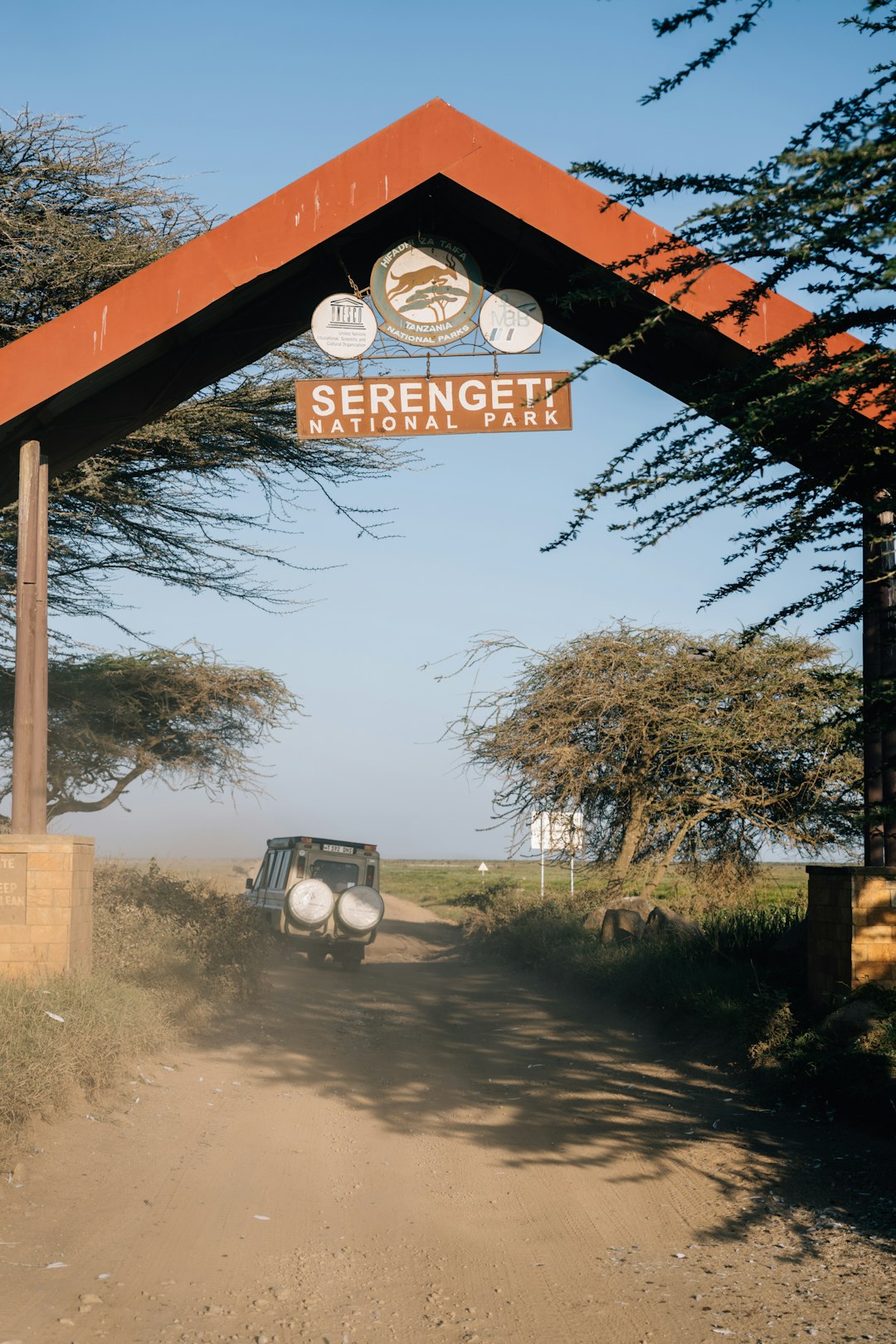
Central Serengeti, anchored by the Seronera Valley, is the beating heart of the Serengeti ecosystem and the most reliable big cat viewing area in the entire park. Unlike the northern and western Serengeti, where wildlife density shifts with the Great Migration, Central Serengeti holds a large resident population of predators and prey throughout the year, thanks to the permanent Seronera River and its surrounding riverine woodland.
Wildlife & Highlights
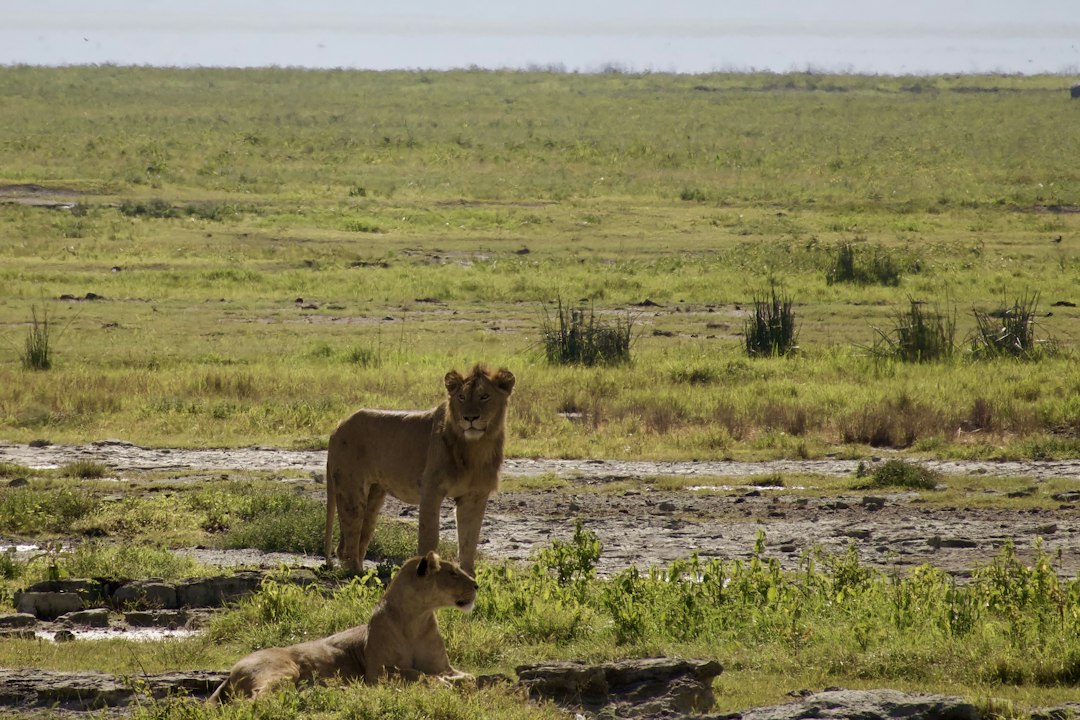
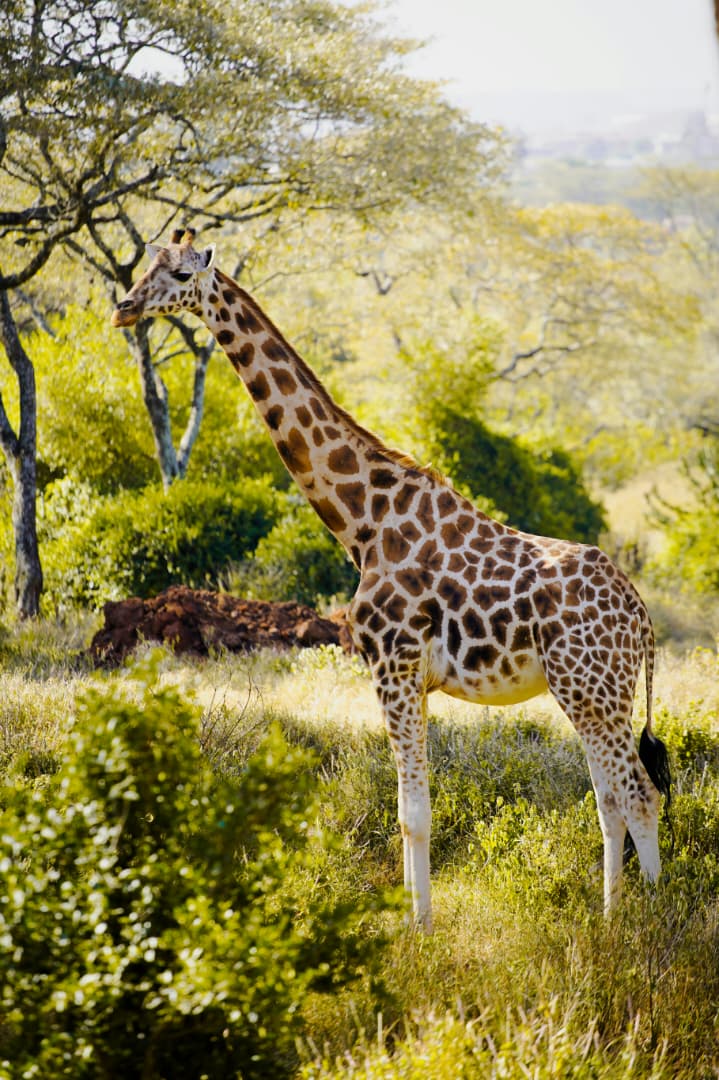
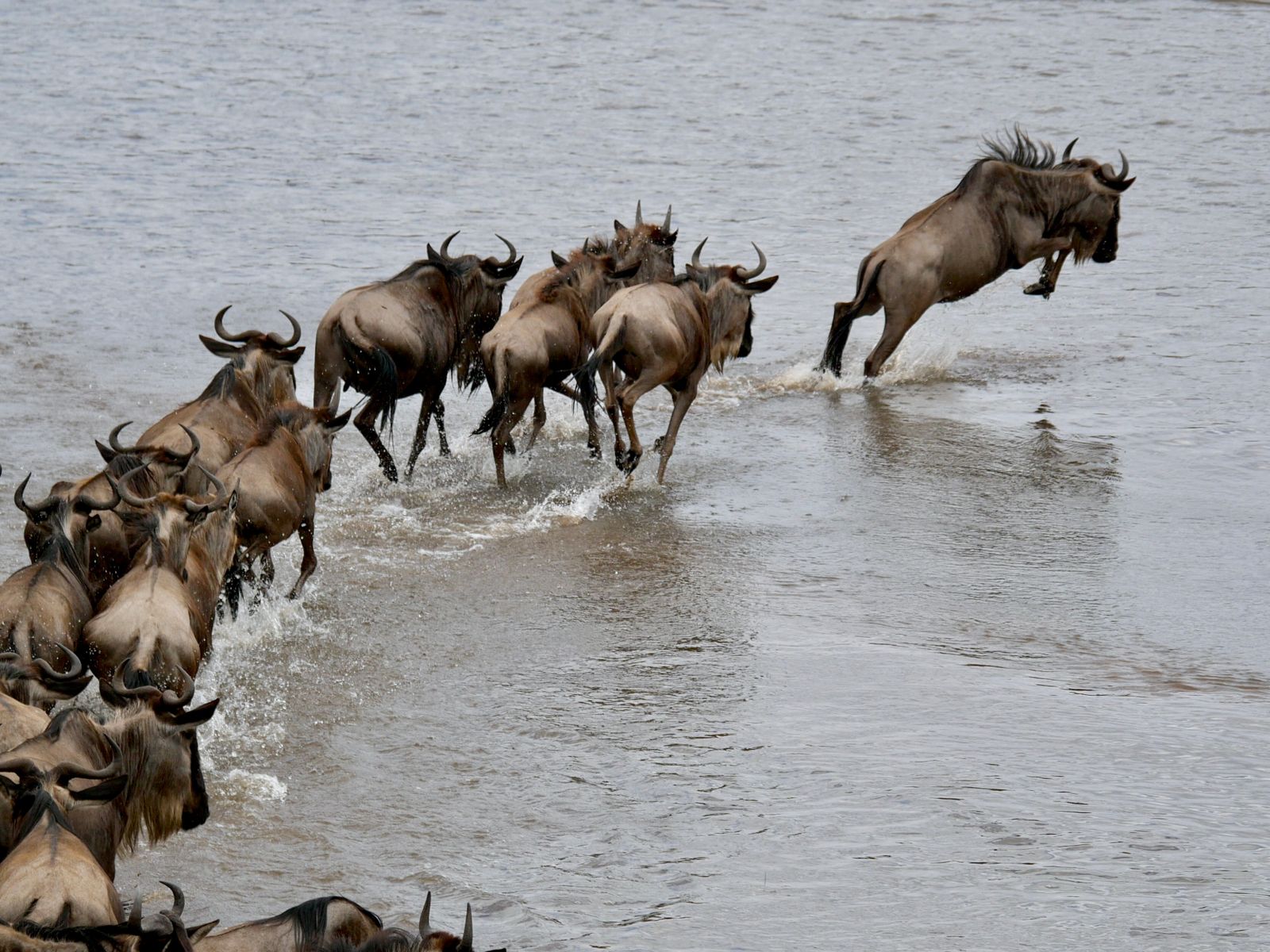
Seronera is widely regarded as one of the best places on Earth to see lion and leopard, with resident prides and individually tracked leopards that researchers and guides have followed for years. Cheetah frequent the open plains bordering the valley, and the area's permanent water supports healthy numbers of hippo, giraffe, buffalo, and antelope regardless of season. Because the migration passes through Central Serengeti during its calving and transit periods, visitors traveling between December and July have a strong chance of encountering both resident predators and migratory herds in the same area.
- Some of the most consistent lion and leopard sightings in Tanzania
- Resident wildlife present year-round, unlike migration-dependent regions
- The Seronera Research Centre, home to long-running big cat research projects
- Central location makes it a natural hub for multi-day Serengeti safaris
Best Time to Visit
Central Serengeti can be visited at any time of year with excellent results, which is precisely why it forms the core of most Serengeti itineraries. December through March brings the migration's calving season to the southern plains nearby, while the dry season from June to October offers classic golden-grass game viewing with dependable predator activity around the valley's water sources.
Getting There
Seronera is roughly in the geographic center of the Serengeti, reachable by road from the Ngorongoro Crater in about three to four hours, or by scheduled light aircraft from Arusha, Zanzibar, or the Serengeti's other airstrips in under an hour. Its central position makes it the most common base for lodges and camps serving multi-night Serengeti stays.